In the modern digital era, software plays a crucial role in shaping how we work, create, communicate, and innovate. Whether you are a developer, designer, content creator, student, or technology enthusiast, the right software tools can significantly improve productivity and creativity. As technology continues to evolve, new applications are emerging that make complex tasks easier, faster, and more efficient.
In 2026, software is more powerful and intelligent than ever, thanks to artificial intelligence, automation, and cloud computing. From project management platforms and design tools to coding environments and data analysis software, there are countless applications designed to help users perform specialized tasks with greater efficiency.
For tech enthusiasts, staying updated with the latest tools is essential. Knowing which software solutions are worth learning can help you build skills, improve workflows, and stay competitive in the digital world.
In this article, we explore some of the most important software tools every tech enthusiast should know, covering categories such as productivity, development, design, collaboration, and cybersecurity.
1. Visual Studio Code – The Developer’s Favorite Code Editor
4
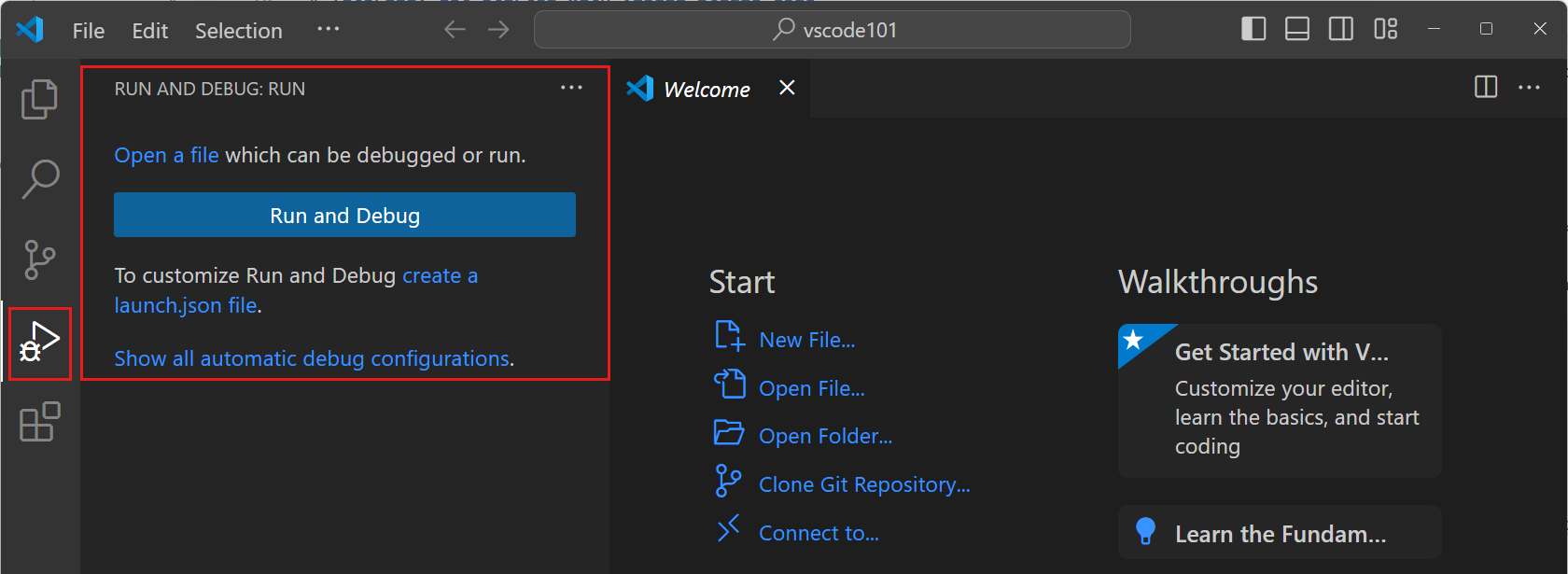
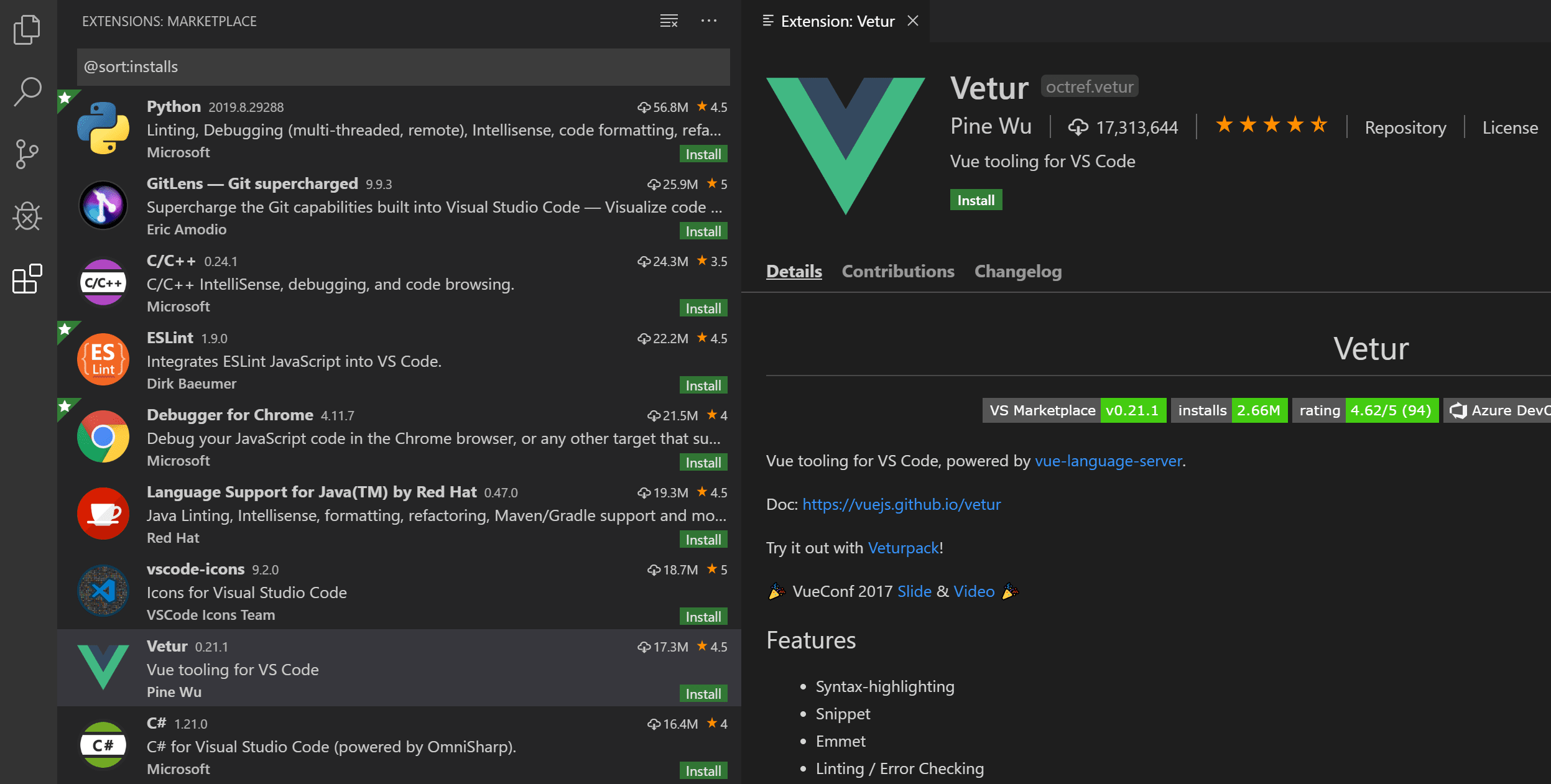
Visual Studio Code, often called VS Code, is one of the most popular code editors used by developers around the world. Developed by Microsoft, this lightweight yet powerful editor supports multiple programming languages and offers a wide range of customization options.
Key Features
- Syntax highlighting for numerous programming languages
- Built-in debugging tools
- Extensive extension marketplace
- Git integration for version control
- Intelligent code completion
VS Code is ideal for beginners and experienced developers alike, making it a must-have tool for anyone interested in programming.
2. GitHub – The Hub of Open-Source Development


4
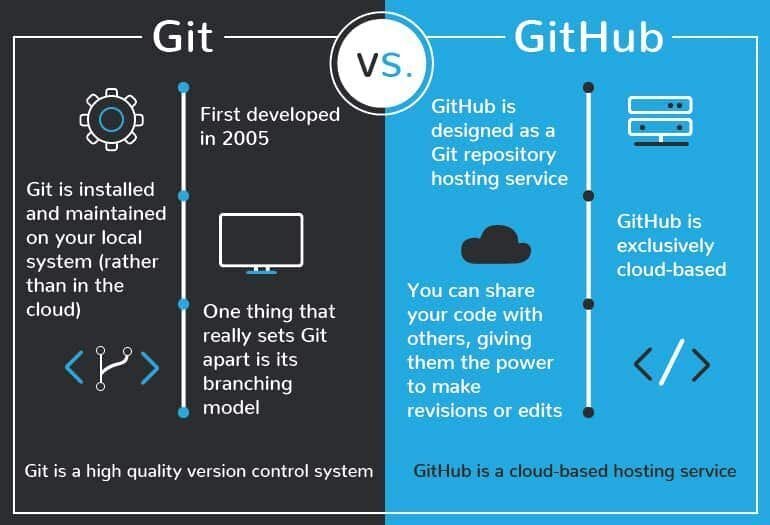
GitHub is the world’s largest platform for software development collaboration. It allows developers to store code, track changes, and collaborate with teams through version control.
Key Features
- Git-based version control
- Collaboration through pull requests and code reviews
- Issue tracking and project management
- Open-source project hosting
- Integration with development tools
For tech enthusiasts who want to contribute to open-source projects or collaborate with developers globally, GitHub is an essential platform.
3. Docker – Simplifying Application Deployment

4
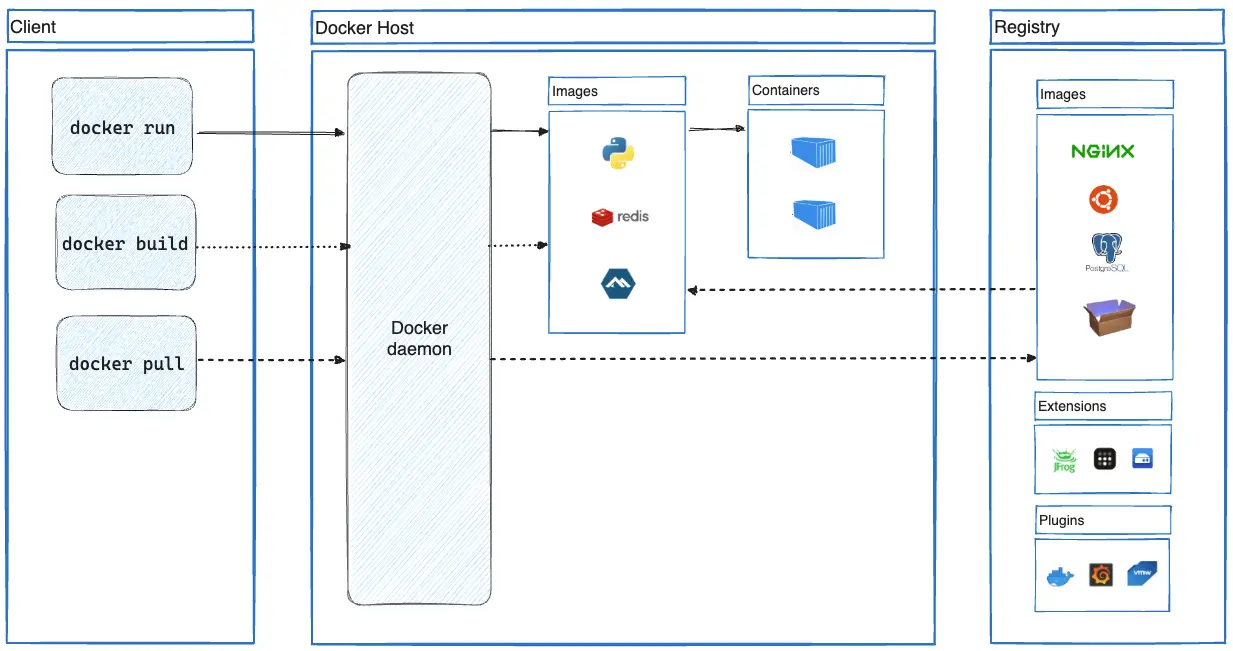
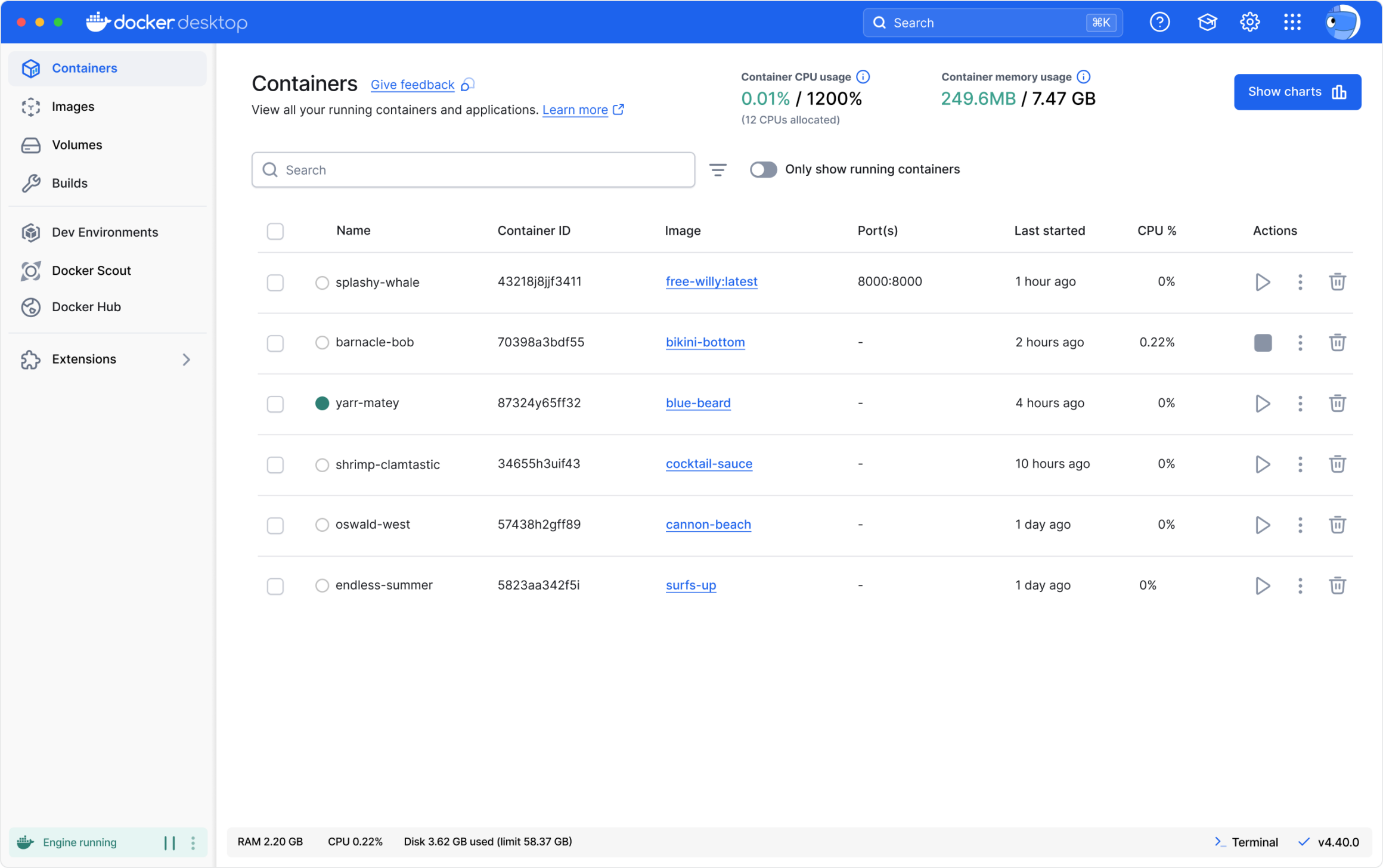
Docker has revolutionized software deployment through containerization technology. Containers allow developers to package applications along with their dependencies, ensuring that software runs consistently across different environments.
Key Features
- Lightweight application containers
- Easy deployment across platforms
- Simplified development environments
- Improved scalability and portability
- Integration with cloud platforms
Docker is widely used in DevOps workflows and modern cloud-based application development.
4. Figma – The Future of UI/UX Design


4
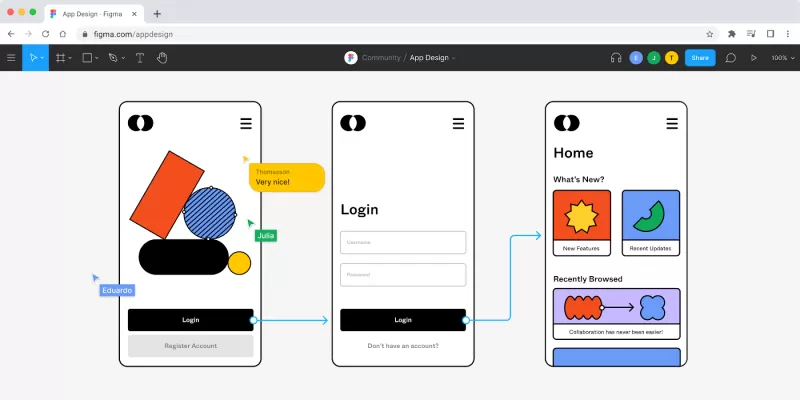
Figma has quickly become one of the most popular design tools for UI and UX designers. Unlike traditional design software, Figma operates entirely in the cloud, allowing real-time collaboration among teams.
Key Features
- Real-time collaborative design
- Interactive prototypes
- Cloud-based access from any device
- Design system management
- Extensive plugin ecosystem
Designers, developers, and product teams use Figma to build and refine digital interfaces efficiently.
5. Adobe Photoshop – The Industry Standard for Digital Design


4
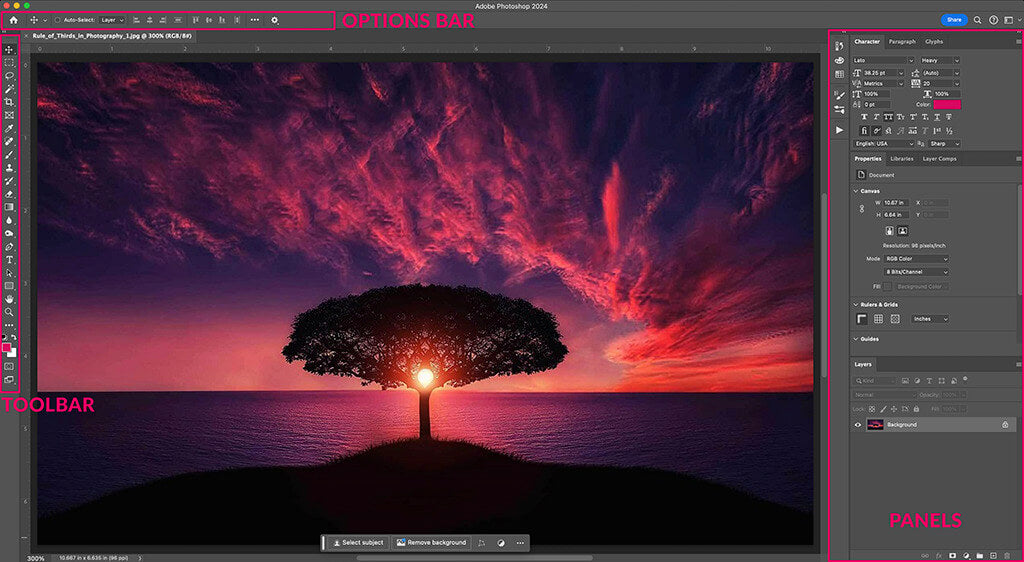
Adobe Photoshop remains one of the most powerful image editing tools available today. It is widely used by graphic designers, photographers, and digital artists.
Key Features
- Advanced image manipulation tools
- Layer-based editing system
- AI-powered photo enhancement
- Professional color grading tools
- Extensive plugin support
Photoshop continues to be an essential tool for anyone working in digital design and visual content creation.
6. Blender – A Powerful Tool for 3D Artists


4
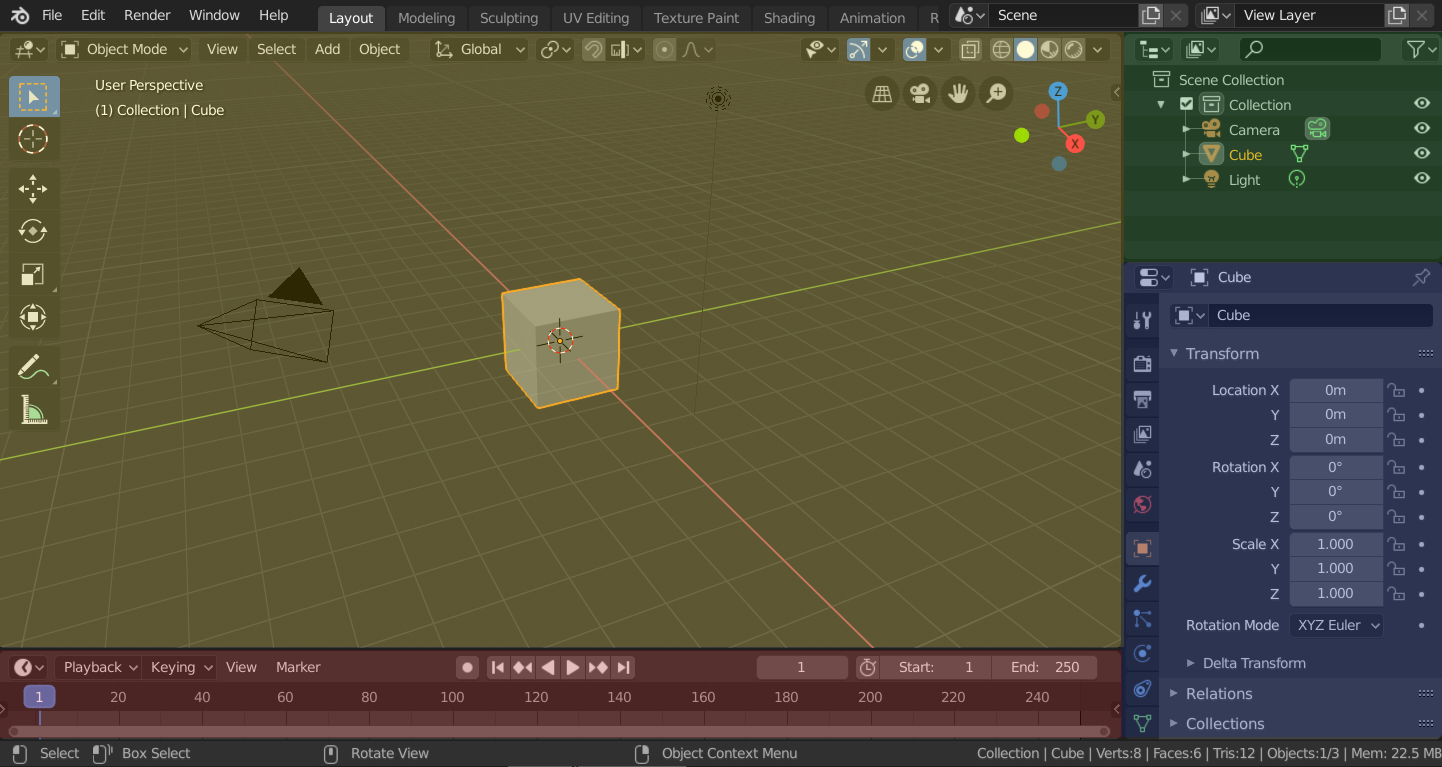
Blender is a free and open-source software used for 3D modeling, animation, rendering, and visual effects. It has become extremely popular among artists and developers due to its powerful capabilities.
Key Features
- 3D modeling and sculpting tools
- Animation and rigging systems
- Realistic rendering engines
- Video editing capabilities
- Game asset creation tools
Blender is widely used in game development, animation studios, and visual effects production.
7. Postman – Essential for Testing APIs


4
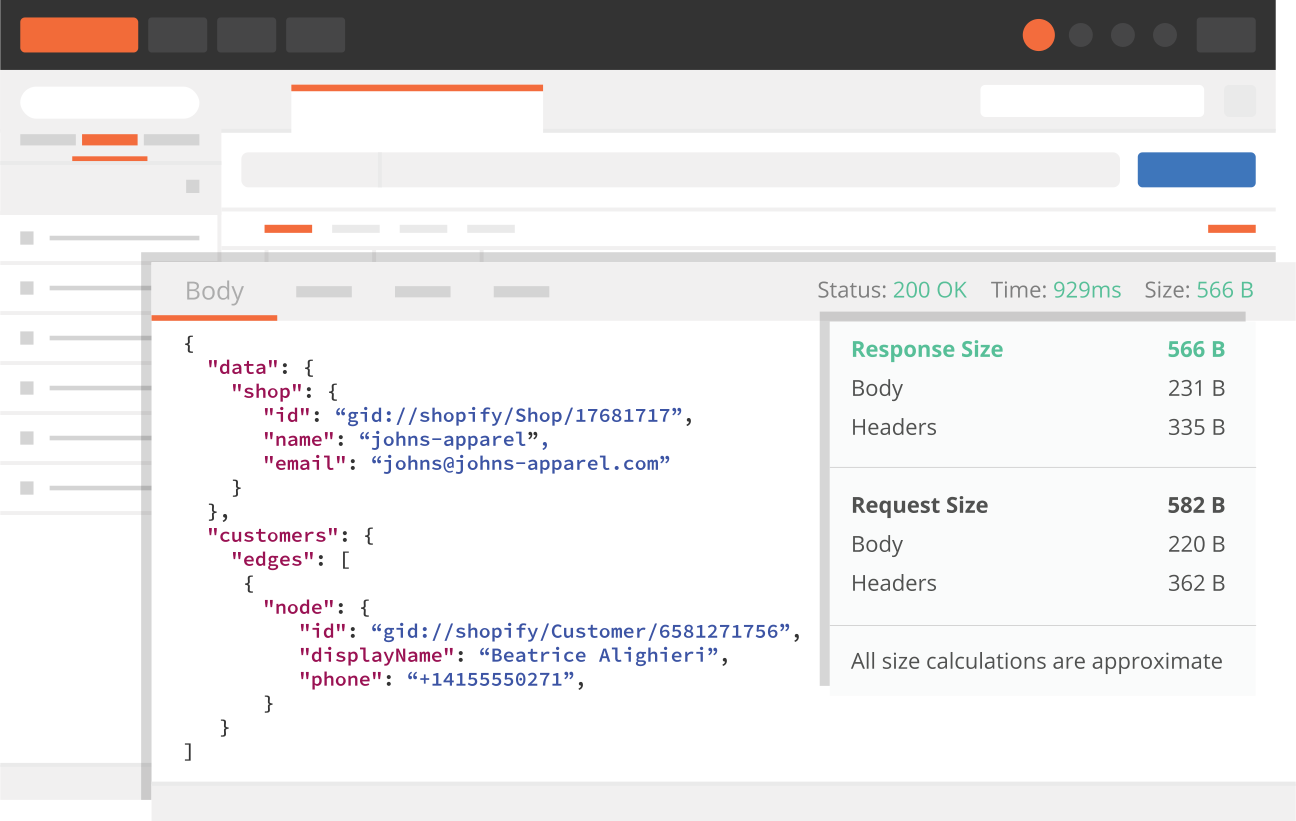
Postman is an essential tool for developers who work with APIs (Application Programming Interfaces). It allows users to test, build, and document APIs efficiently.
Key Features
- API request testing
- Automated testing scripts
- API documentation tools
- Team collaboration features
- Integration with development workflows
Postman simplifies communication between front-end and back-end systems.
8. Tableau – Turning Data into Insights

4
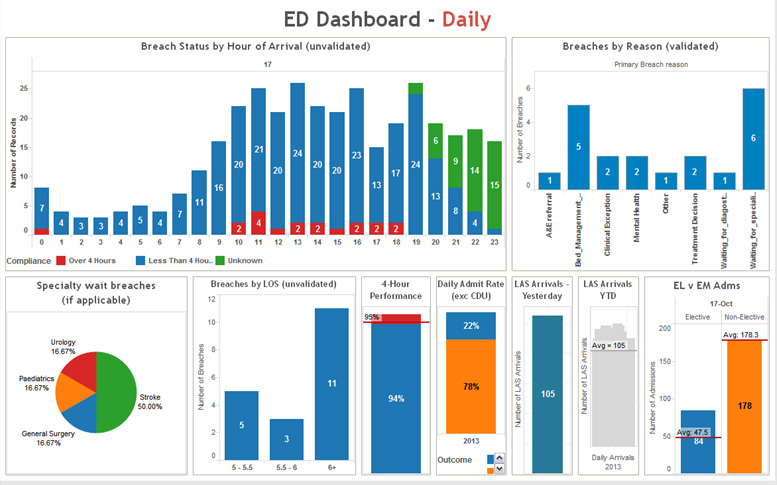
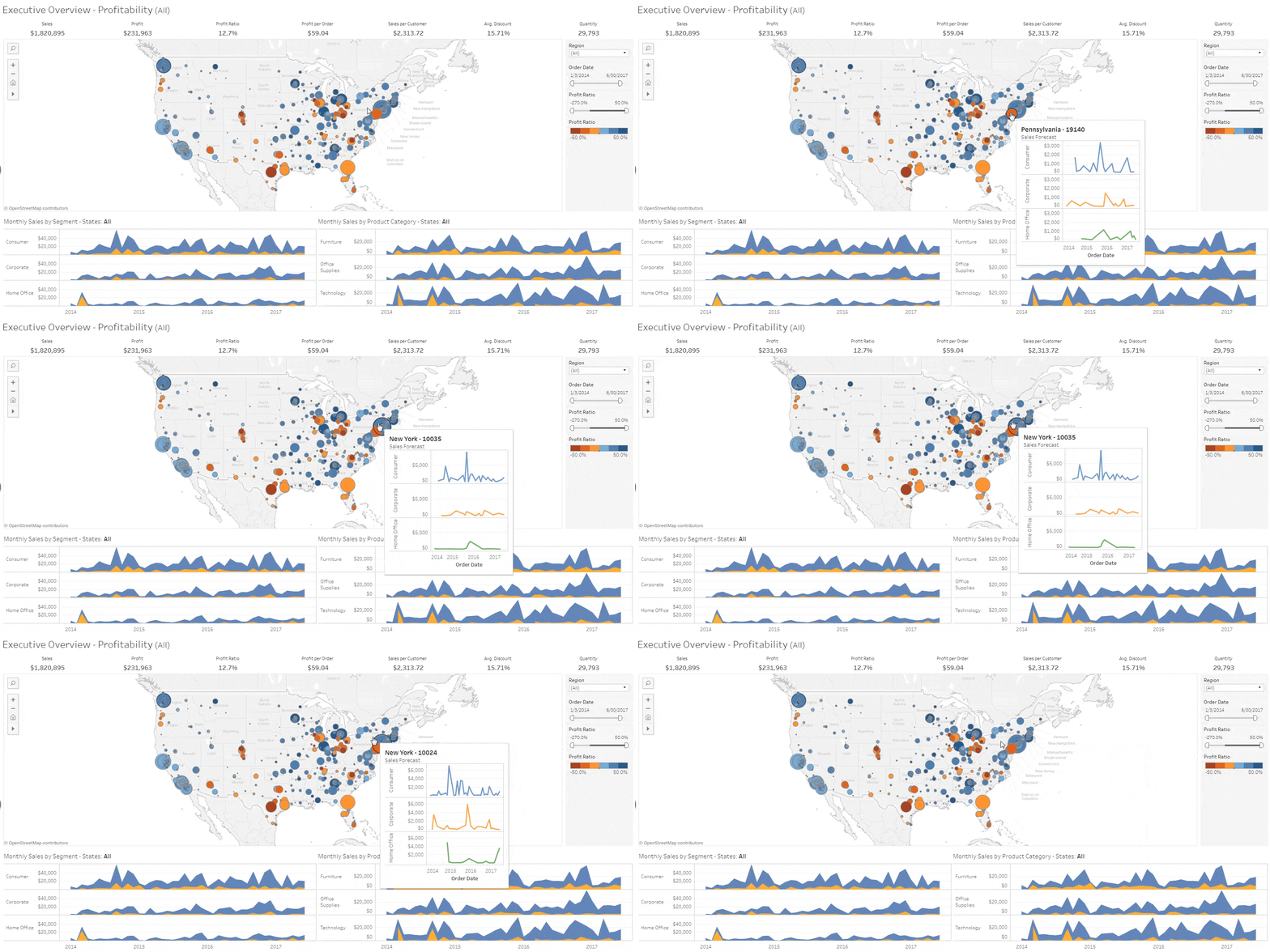
Tableau is one of the most powerful tools for data analysis and visualization. It helps users convert complex datasets into interactive charts, dashboards, and reports.
Key Features
- Interactive data visualization
- Drag-and-drop analytics interface
- Real-time data dashboards
- Integration with multiple data sources
- Business intelligence insights
Businesses use Tableau to analyze trends, monitor performance, and make data-driven decisions.
9. OBS Studio – Content Creation and Streaming
4
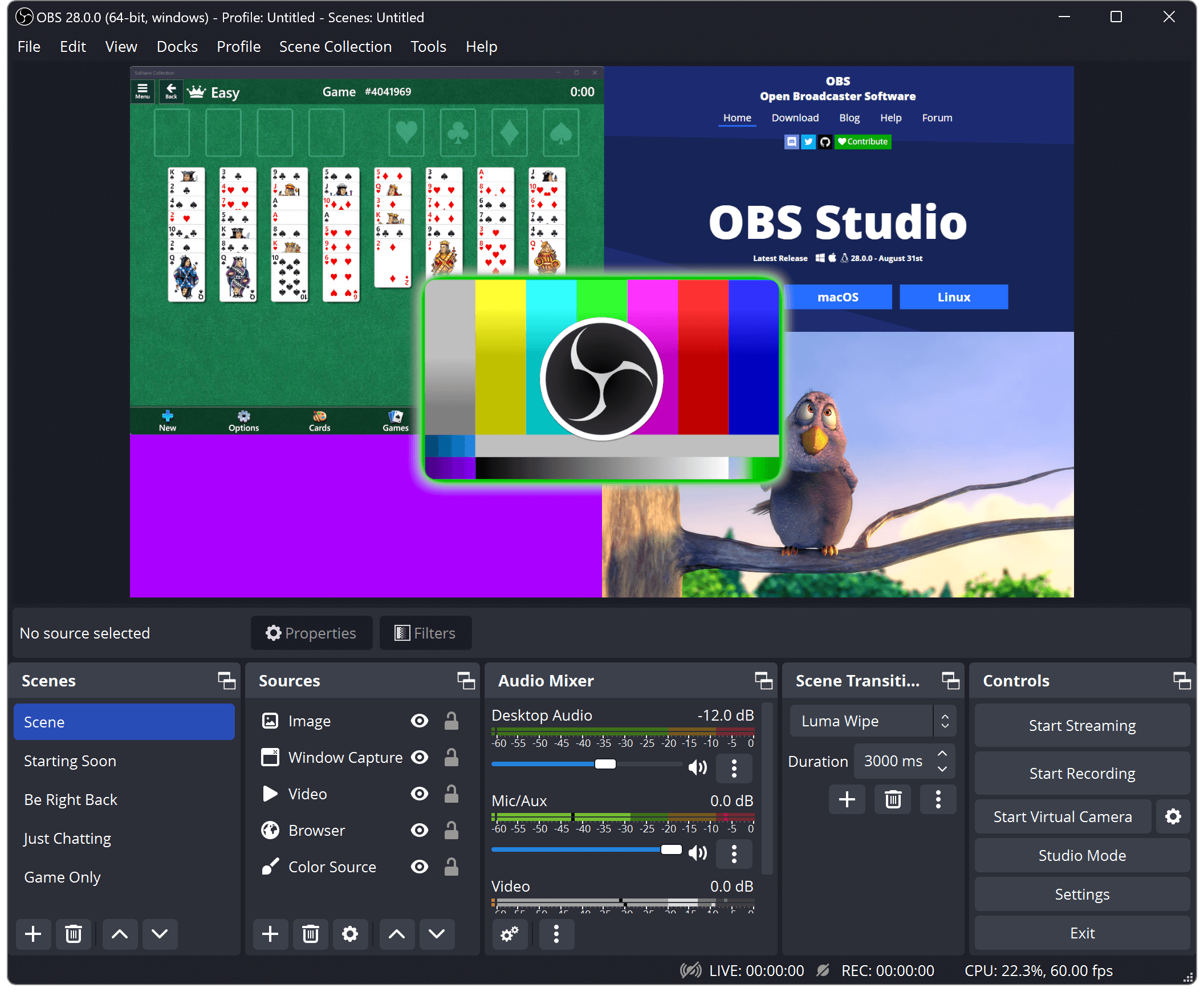
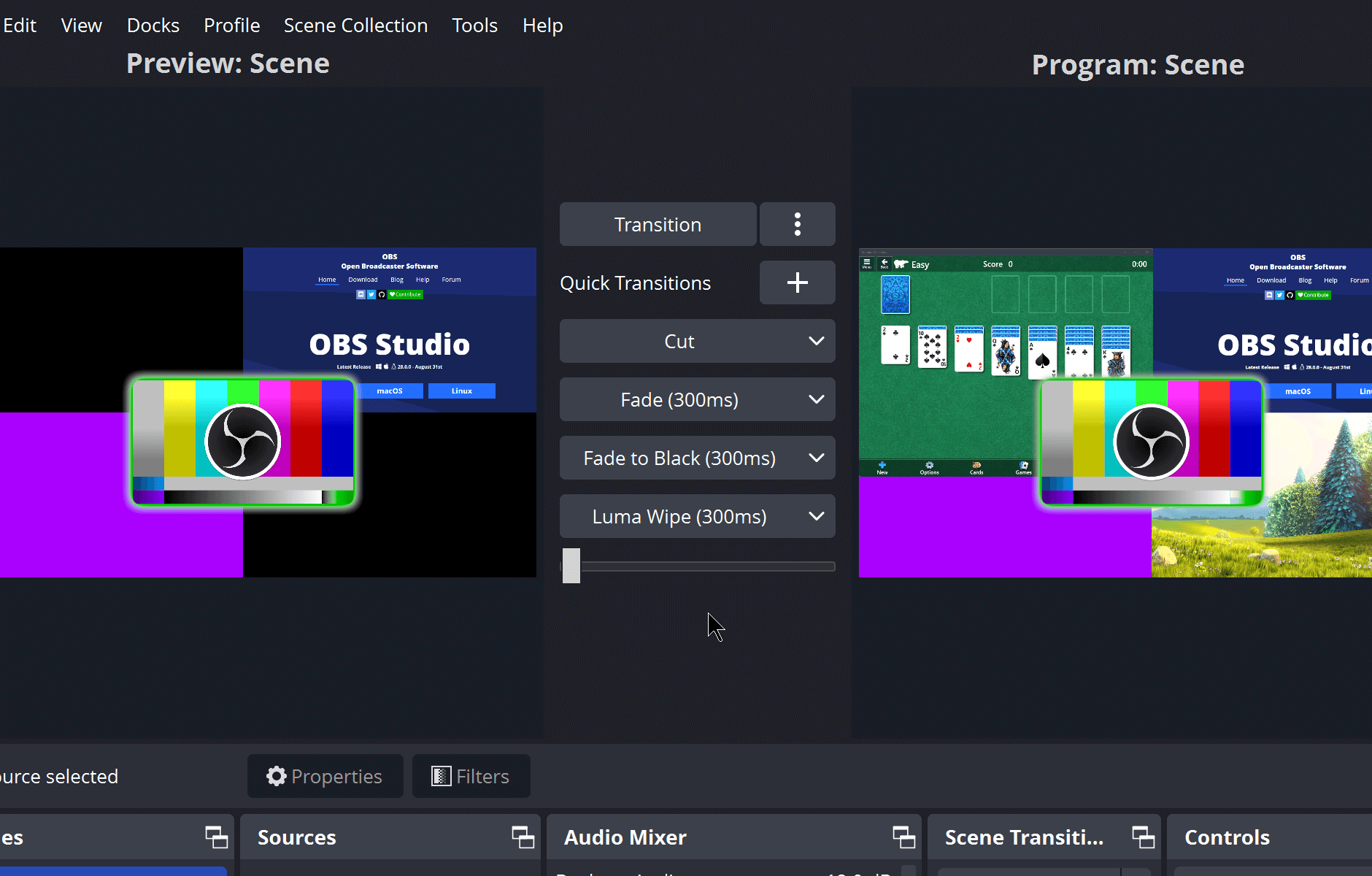
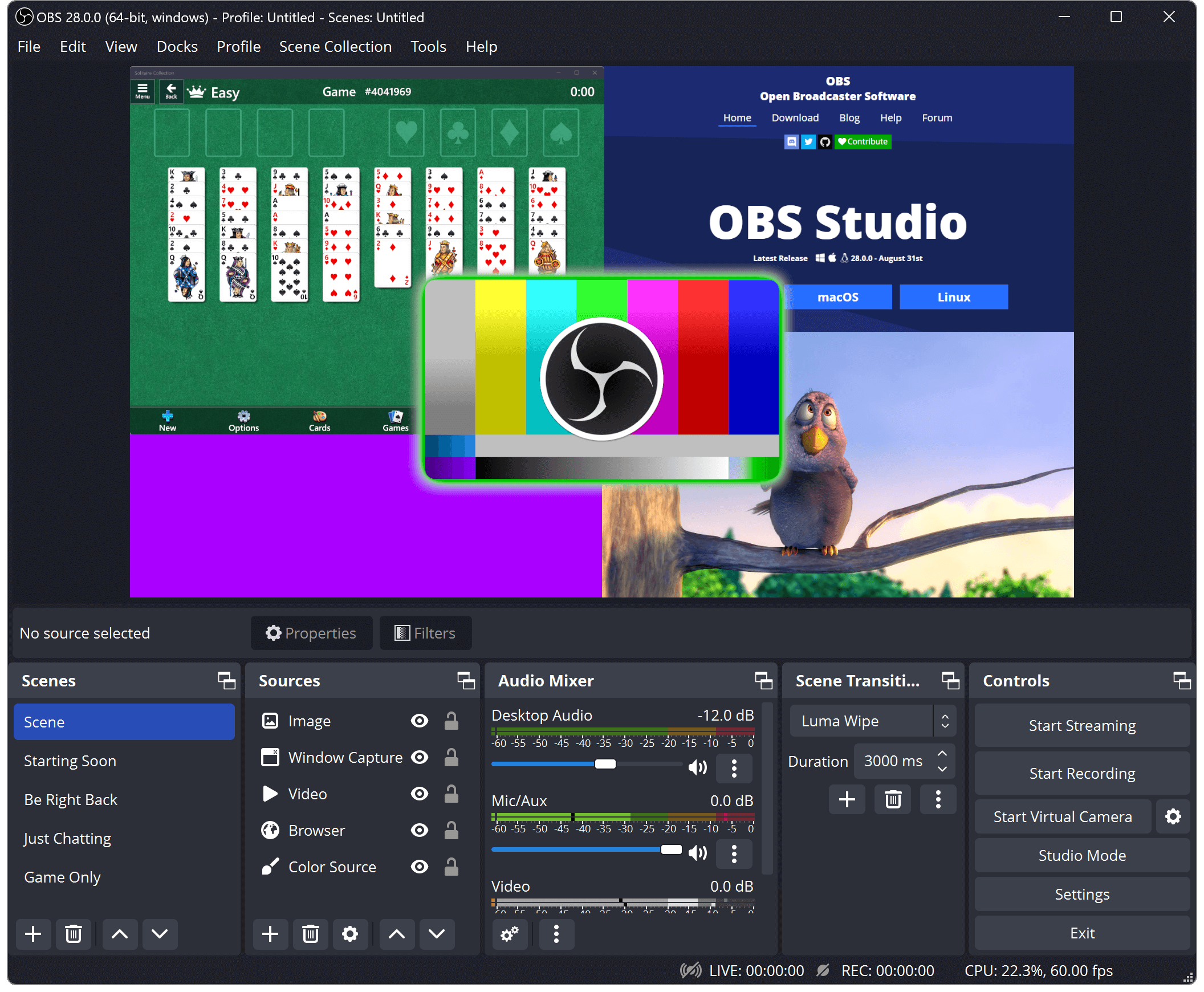
OBS Studio is a free, open-source tool used for screen recording and live streaming. It is widely used by gamers, educators, and content creators.
Key Features
- High-quality video recording
- Live streaming capabilities
- Multiple scene and source controls
- Customizable transitions
- Plugin support
OBS Studio has become a go-to software for online streaming and video content production.
10. Wireshark – Essential for Cybersecurity and Networking
4
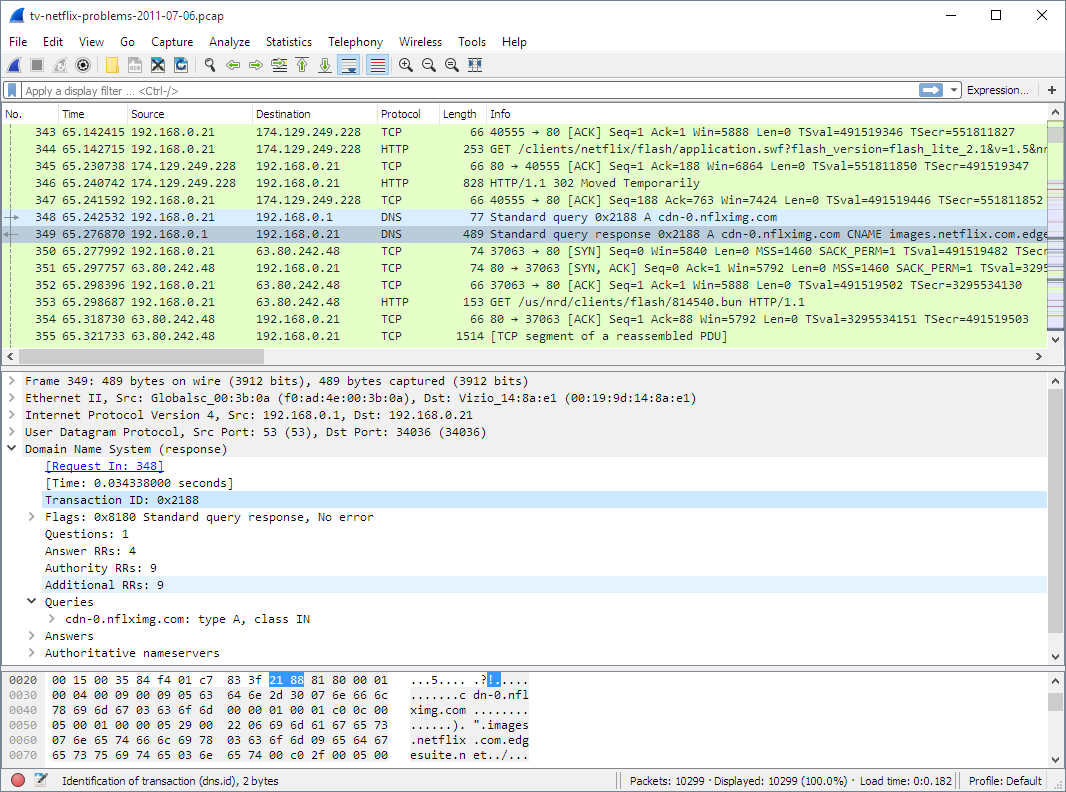
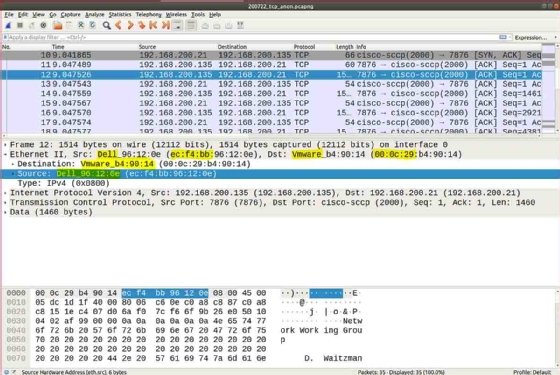
Wireshark is a powerful network analysis tool used by cybersecurity professionals and network engineers to monitor and troubleshoot network traffic.
Key Features
- Real-time packet capture
- Detailed network traffic analysis
- Security troubleshooting tools
- Support for multiple protocols
- Advanced filtering capabilities
Wireshark is widely used in cybersecurity investigations and network diagnostics.
Why Tech Enthusiasts Should Learn These Tools
Learning modern software tools provides several benefits for tech enthusiasts and professionals.
Skill Development
Hands-on experience with advanced software builds valuable technical skills.
Career Opportunities
Many of these tools are widely used in industries such as software development, design, data analysis, and cybersecurity.
Increased Productivity
The right tools streamline workflows and improve efficiency.
Innovation and Creativity
Advanced software platforms enable users to experiment, build projects, and explore new ideas.
The Future of Software Tools
Software technology will continue evolving rapidly in the coming years. Several trends are shaping the future of digital tools:
- Artificial intelligence integration
- Cloud-based collaboration platforms
- Low-code and no-code development tools
- Automation-driven workflows
- Advanced cybersecurity solutions
These innovations will make software even more powerful and accessible to users worldwide.
Conclusion
The world of technology is constantly evolving, and software tools are at the center of this transformation. From development platforms like Visual Studio Code and GitHub to design tools such as Figma and Photoshop, modern software enables people to build, create, and innovate like never before.
For tech enthusiasts, learning these tools is more than just a hobby—it is an investment in future skills and opportunities. Whether you are interested in coding, design, data analysis, or cybersecurity, mastering the right software can open doors to exciting career paths and creative possibilities.
As technology continues to advance, staying informed about powerful software tools will help you remain competitive and adaptable in the digital world.